
How API Gateways can streamline your business operations
In today’s fast-paced digital world, businesses need to leverage technology to remain competitive, especially when it comes to managing and streamlining operations. One such technology is the API Gateway, a powerful tool that acts as a bridge between various applications, tools, and services. But what exactly is an API Gateway, and how can it benefit your business? Let’s explore.
API MANAGEMENT
Fernando de Freitas Barboas
11/19/20243 min read


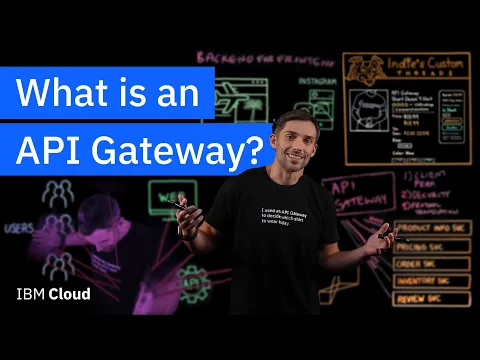
What Is an API Gateway?
An API Gateway is a management tool that sits between your users and the backend services your business relies on. It acts as a centralized interface for managing all API calls, routing requests to the correct services, and ensuring secure, efficient communication between systems.
For example, if your business uses tools like a Customer Relationship Management (CRM) system, marketing automation software, and analytics platforms, an API Gateway ensures these systems work together seamlessly, sharing data and automating workflows.
5 Ways API Gateways can benefit your businesses
1. Simplifying integrations across tools
Businesses often rely on multiple tools to manage operations, such as:
E-commerce platforms
Inventory management systems
Marketing tools (e.g., HubSpot or Mailchimp)
ERP
CRM
An API Gateway allows these tools to communicate effectively, removing the need for custom, one-off integrations. With an API Gateway, you can easily integrate new software without overhauling your existing setup.
2. Enhancing security
APIs can expose sensitive business data if not managed correctly. API Gateways provide built-in security features, such as:
Authentication and authorization: Ensure only verified users and systems access your data.
Data encryption: Protect data as it moves between your systems.
Rate limiting: Prevent overloads or malicious attacks by limiting the number of API calls a user can make.
For businesses, these features offer peace of mind while handling customer information or payment data.
3. Boosting operational efficiency
API Gateways allow you to automate repetitive tasks and streamline workflows such as:
Automating order processing by linking your e-commerce platform with your shipping provider.
Syncing customer data between your CRM and email marketing tools.
Generating reports by connecting analytics platforms with accounting software.
This reduces manual effort, saving time and improving productivity.
4. Scalability for growth
As your small business grows, so do your operational needs. API Gateways make it easy to scale your technology stack. You can:
Add new tools or services without disrupting existing workflows.
Handle increased traffic or API calls during peak seasons, such as holiday sales.
Optimize system performance through load balancing and caching.
With an API Gateway, your business can adapt to growth without worrying about technological limitations.
5. Improving customer experience
A seamless integration of systems means your customers enjoy a better experience. For instance:
Faster response times when customers interact with your website or app.
Personalized experiences by connecting customer data from multiple platforms.
Fewer errors in order processing, shipping, or communication.
Happy customers are more likely to return, recommend your business, and contribute to your success.
Real-World Example: API Gateway in action
Imagine you own an online boutique. Your API Gateway connects your Shopify store with your inventory management software, shipping provider, and customer support platform. When a customer places an order:
The order details are automatically sent to your inventory system to update stock levels.
Shipping labels are generated, and tracking details are emailed to the customer.
The customer’s purchase history is updated in your CRM for future marketing campaigns.
All of this happens automatically, saving you time and ensuring a smooth experience for your customers.
How to get started with API Gateways
Implementing an API Gateway may sound technical, but it doesn’t have to be overwhelming. Here’s how to begin:
Evaluate your needs: Identify the tools and services you want to integrate and your business goals.
Choose the right API Gateway: Popular options include IBM API Connect, IBM WebMethods API Gateway, Kong, or Apigee from Google, each with features tailored to different needs.
Work with an Expert: If you’re unfamiliar with APIs, consider hiring a developer or consultant to set up and manage the API Gateway.
Summary
An API Gateway is more than just a technical tool—it’s a business enabler. By simplifying integrations, enhancing security, and streamlining operations, API Gateways empower small businesses to operate more efficiently and deliver better customer experiences. Whether you’re looking to save time, reduce costs, or scale your business, investing in an API Gateway can help you achieve your goals.
Start exploring API Gateways today and unlock new possibilities for your business!
Expertise
Cloud, B2B Integration, MFT and API Management
keep in contact with me
© 2025. All rights reserved.